

8 Tips for Getting Your Kids Involved in Organized Sports: Nurturing Young Athletes
Organized sports can be a fantastic way for children to develop physical skills, social bonds, and valuable life lessons. We believe that getting kids involved in athletics from an early age sets them up for success both on and off the field.
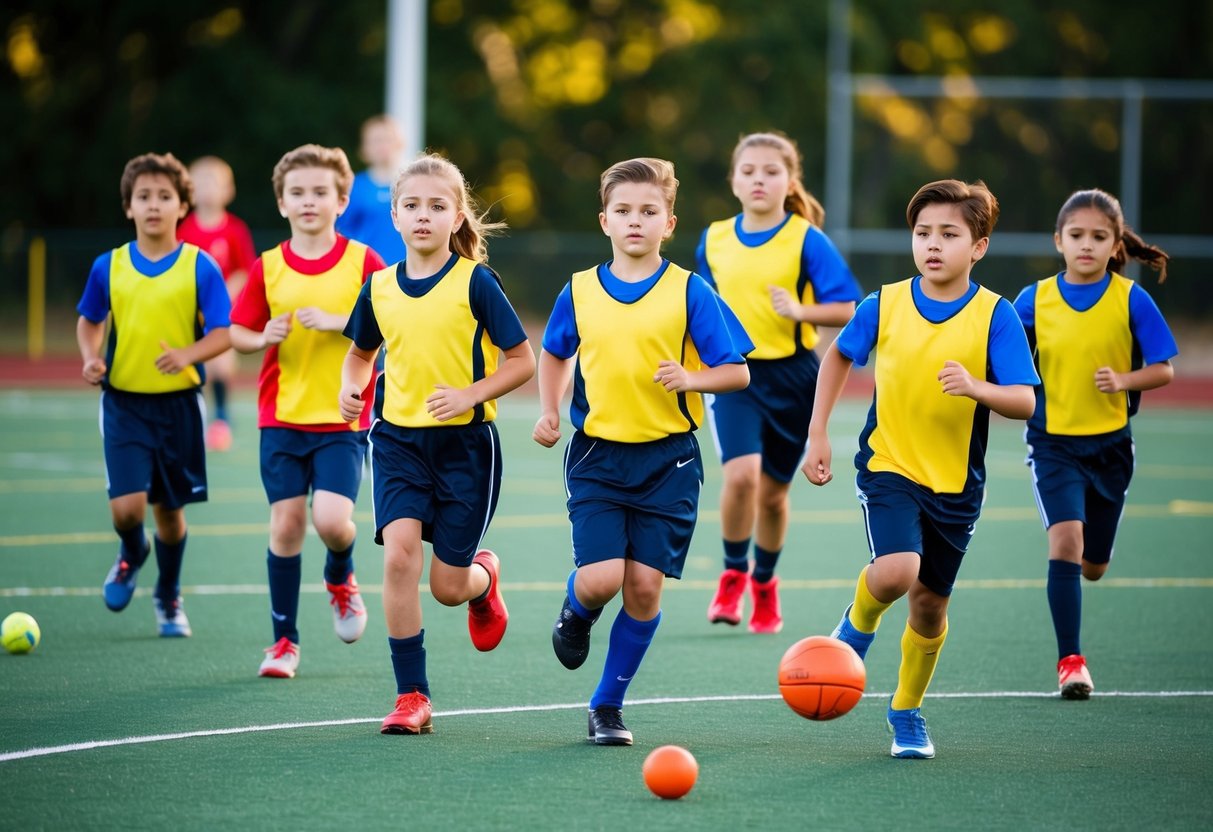
As parents, we play a crucial role in helping our children discover and thrive in the world of sports. By following a few simple tips, we can encourage our kids to embrace athletic activities and reap the numerous benefits they offer. Let's explore some effective strategies for introducing our little ones to organized sports and fostering a lifelong love of physical activity.
1) Research Local Leagues
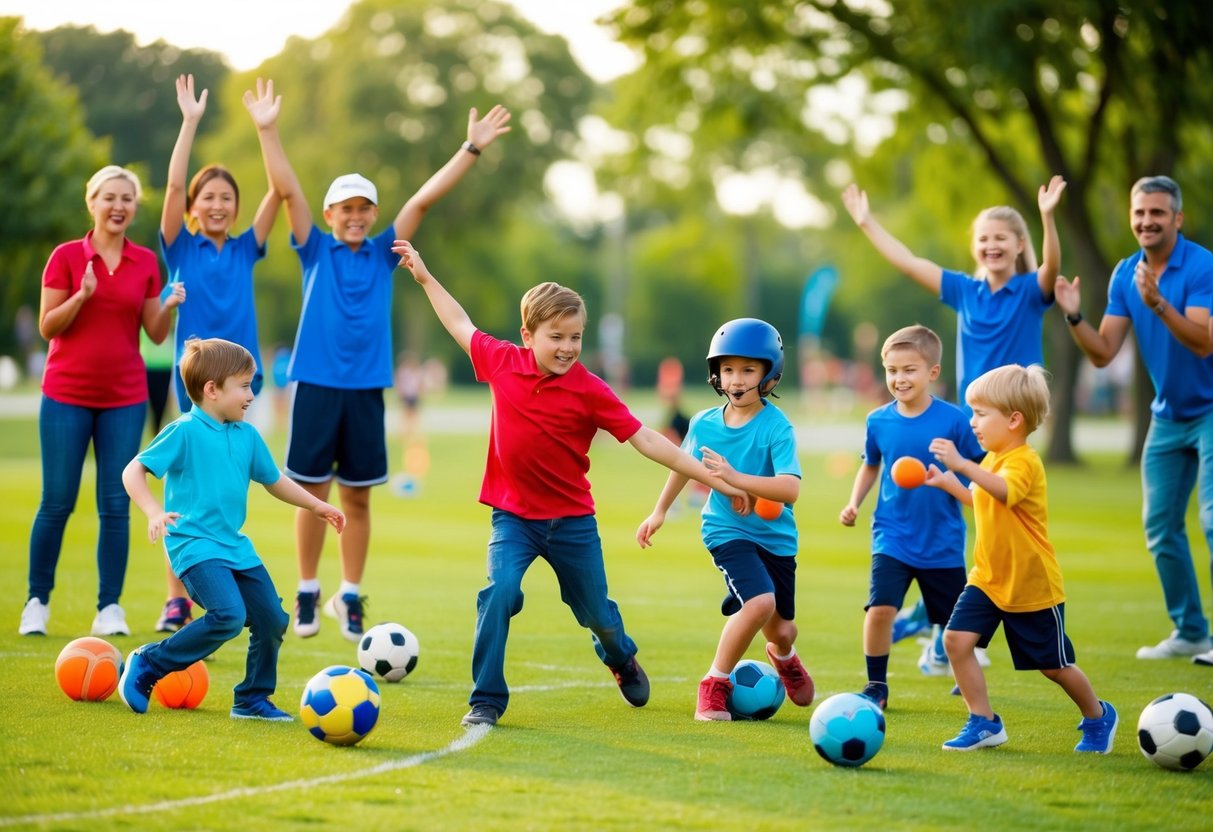
We've found that exploring local sports leagues is a great first step in getting kids involved in organized sports. Start by checking your community's parks and recreation department website. They often list various youth sports programs and leagues.
Don't forget to ask other parents in your neighborhood or at your child's school. They can be valuable sources of information about local leagues and their experiences with them.
Online platforms like Facebook groups and community forums can also be goldmines for league information. Many local sports organizations use these channels to reach out to families.
We recommend visiting local community centers and YMCAs. These places frequently host youth sports programs and can provide details on registration, schedules, and costs.
Remember to consider your child's interests and skill level when researching leagues. Some organizations offer programs for beginners, while others cater to more experienced young athletes.
It's also worth looking into school-based sports programs. Many schools have their own teams or partner with local leagues to provide opportunities for students.
2) Visit Practice Sessions
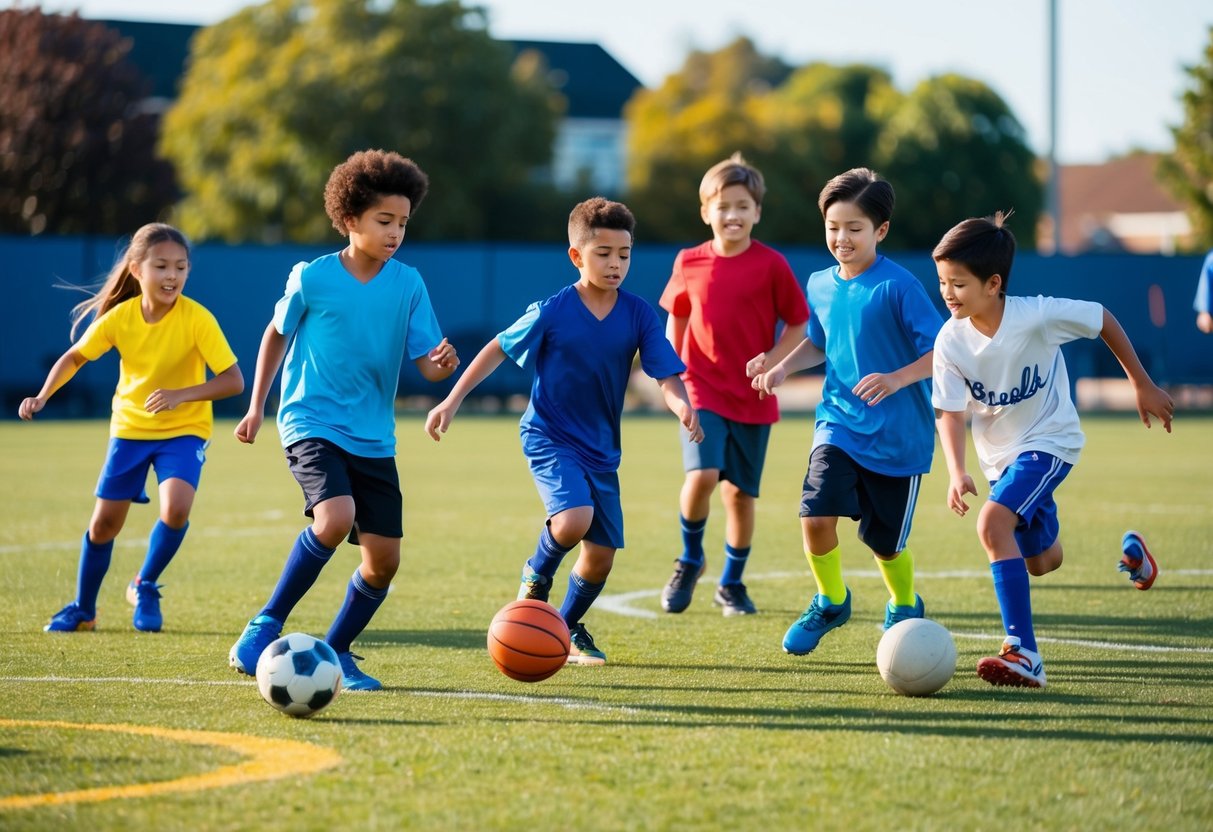
Attending practice sessions is a great way to get your kids excited about organized sports. We recommend taking them to watch a few practices before they join a team. This allows them to see what's involved and gauge their interest.
During these visits, encourage your children to observe the drills and techniques used. They can start learning the basics just by watching. It's also an opportunity for them to see how the coach interacts with the players.
Practice sessions give kids a realistic view of what to expect. They'll see the effort required and the teamwork involved. This can help them decide if they're ready to commit to the sport.
We suggest talking to the coach or team organizer during these visits. They can provide valuable information about the program and answer any questions you or your children might have.
Remember to discuss what you've observed with your kids afterward. Ask them what they liked and if they have any concerns. Their feedback will help you determine if it's the right fit for them.
3) Start With Low-Pressure Activities
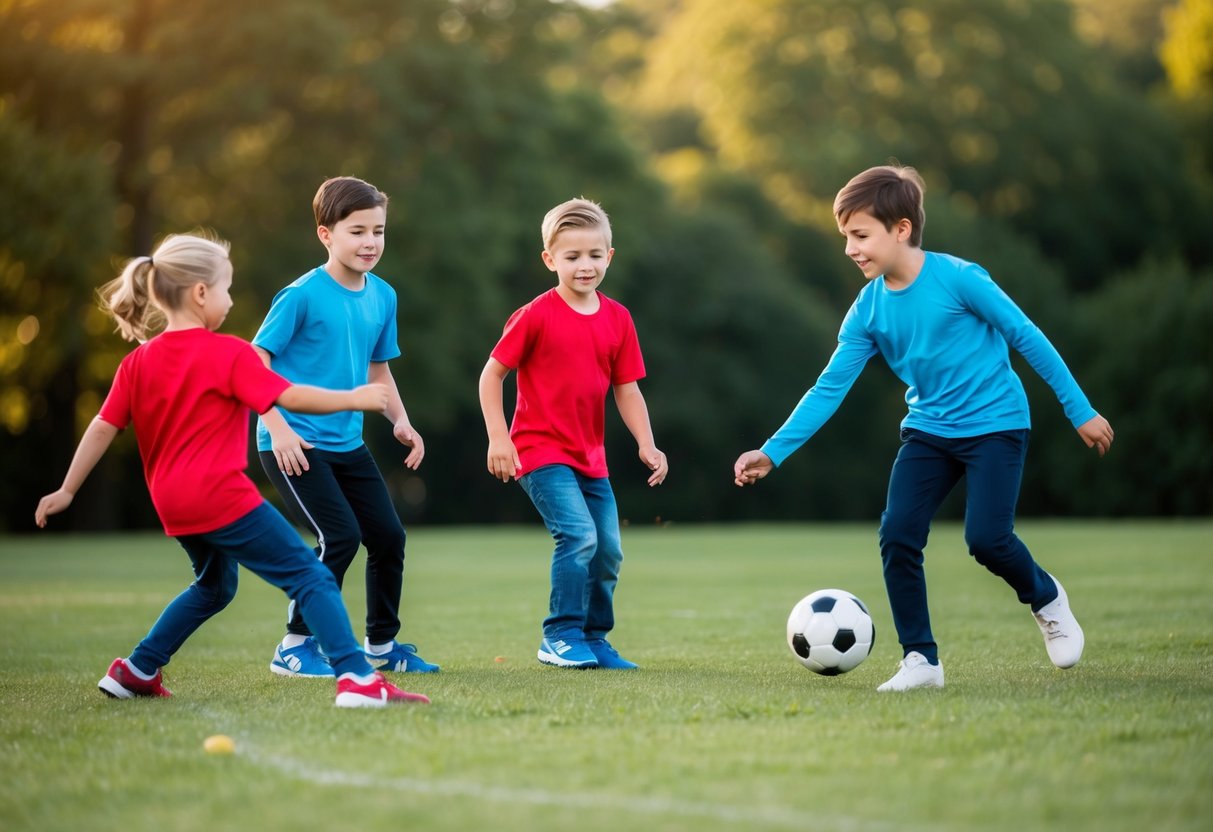
We recommend beginning your child's sports journey with low-pressure activities. These can include casual games at the park, backyard play, or community events. Such environments allow kids to explore different sports without feeling overwhelmed.
Organized sports don't have to mean intense competition right away. Look for recreational leagues that focus on fun and skill development rather than winning at all costs. These programs often emphasize participation over performance.
Consider starting with multi-sport camps or classes. These give children a taste of various activities without committing to just one. It's a great way for them to discover what they enjoy most.
Remember, the goal is to foster a love for physical activity and teamwork. We want our kids to associate sports with enjoyment, not stress. By starting small, we set them up for a positive relationship with organized sports in the future.
4) Coach A Team Yourself
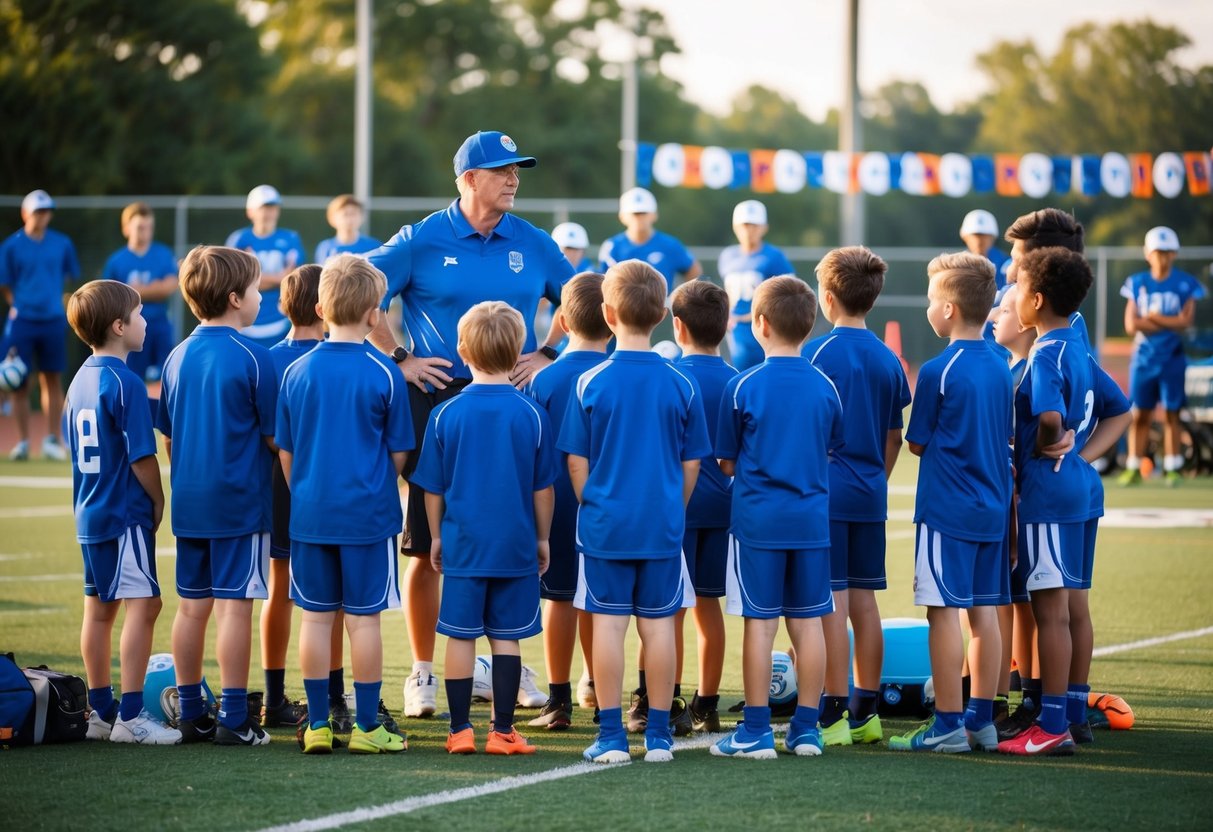
Coaching a youth sports team can be an incredibly rewarding experience for parents. We get to spend quality time with our kids while teaching them valuable skills and life lessons.
By taking on a coaching role, we become more involved in our children's athletic journey. We gain a deeper understanding of the sport and can better support our kids' development.
Coaching allows us to create a positive environment for all the young athletes. We can emphasize teamwork, sportsmanship, and personal growth over just winning.
Many youth leagues welcome parent volunteers as coaches, even if we don't have extensive experience. Local organizations often provide training and resources to help us get started.
As coaches, we can tailor practices to be fun and engaging for kids. We can incorporate games and drills that keep them excited about participating in sports.
Coaching gives us the opportunity to be positive role models for our children and their teammates. We can demonstrate good sportsmanship, leadership, and dedication firsthand.
5) Arrange Playdates With Teammates
Organizing playdates with teammates is a great way to boost your child's enthusiasm for their sport. These get-togethers help build friendships outside of practice and games, making the team experience more enjoyable.
We've found that casual meetups at local parks or playgrounds work well. Kids can practice their skills in a relaxed setting while bonding with their peers. It's also an opportunity for parents to connect and share experiences.
Consider hosting a team movie night or game day at your home. This can strengthen team spirit and create lasting memories. Rotating hosts among team families spreads the responsibility and allows everyone to contribute.
Encourage your child to invite a teammate over for one-on-one play. This individual time can help shy kids feel more comfortable with their peers. It may also lead to stronger on-field communication and cooperation.
Remember to keep these playdates fun and low-pressure. The goal is to foster friendships and enjoyment of the sport, not to create additional training sessions.
6) Celebrate Small Wins
Recognizing our children's efforts and achievements in sports can boost their confidence and motivation. We should cheer for every little victory, from mastering a new skill to showing good sportsmanship.
It's important to focus on personal progress rather than just winning games. We can praise our kids for their hard work, improvement, and positive attitudes. This helps them develop a growth mindset and enjoy the learning process.
Creating a family tradition to celebrate after games or practices can be fun. We might treat our young athletes to their favorite snack or plan a special family activity. These moments create lasting memories and strengthen our bond.
We can also encourage our children to reflect on their own accomplishments. Asking them what they're proud of helps them internalize their achievements and build self-awareness.
Remember, celebrating small wins isn't about empty praise. We should be specific in our compliments, highlighting the effort and dedication behind each success. This approach nurtures resilience and a love for sports that can last a lifetime.
7) Attend Games Together
Attending games together is a fantastic way to support our kids' sports involvement. We can create lasting memories and show our children how much we value their efforts and interests.
By being present at games, we demonstrate our commitment to their athletic pursuits. It's not just about watching; it's about actively cheering and encouraging from the sidelines.
Our presence can boost our kids' confidence and motivation. Seeing us in the stands can give them that extra push to perform their best and enjoy the experience more fully.
We can use game time as an opportunity to bond with other parents and families. This helps build a supportive community around our children's sports activities.
After the game, we can discuss highlights and areas for improvement. This opens up valuable conversations about sportsmanship, teamwork, and personal growth.
8) Watch Sports Movies
Sports movies can be a fantastic way to inspire kids and get them excited about organized sports. We've found that these films often showcase the thrill of competition, teamwork, and personal growth.
Many sports movies highlight important values like perseverance, sportsmanship, and dedication. By watching these stories unfold on screen, children can gain a deeper appreciation for the challenges and rewards of athletic pursuits.
We recommend choosing age-appropriate sports films that align with your child's interests. From baseball classics to inspiring underdog tales, there's a wide range of options to explore together as a family.
Discussing the movies afterward can be just as valuable as watching them. We can ask our kids about their favorite characters, memorable moments, and lessons learned from the film.
Some movies even showcase real-life sports legends, giving kids role models to look up to. These stories can spark conversations about sports history and the impact of athletics on society.